Finger Fractures: Metacarpal & Phalangeal Fractures
Comprehensive guide to finger bone fractures including Boxer's fracture, Bennett's fracture, and phalangeal fractures. Understanding treatment to prevent stiffness.
Understanding Finger Fractures
Finger fractures are common injuries affecting the metacarpal bones (in the palm) and phalangeal bones (in the fingers). They account for approximately 10% of all fractures. Proper treatment is essential to prevent two main complications: malunion (healing in poor position) and stiffness.
Anatomy: Each finger has three phalanges (proximal, middle, distal) except the thumb which has two. The five metacarpals connect the fingers to the wrist. Understanding the anatomy helps predict which fractures are stable and which require intervention.
Key Principle: The enemy of finger fractures is prolonged immobilization. Unlike other bones, fingers tolerate stiffness poorly. The goal is stable fixation or protection that allows early motion.
Common Fracture Types
5th metacarpal neck fracture. From punching injury. Up to 40-70° angulation may be acceptable due to CMC joint mobility. Often treated with splinting alone.
Intra-articular fracture-dislocation of thumb base. Small volar fragment remains reduced. Requires surgery (K-wires or screws) to restore joint congruity.
Comminuted (multiple fragments) Bennett's-type fracture. Y-shaped articular fracture at thumb base. More severe, requires surgical fixation.
Bony mallet - avulsion fracture of extensor tendon insertion at DIP joint. Finger droops at tip. Usually splint treatment; surgery if large fragment.
Signs & Symptoms
• Pain: Localized to fracture site, worse with movement
• Swelling: Can be significant, may extend to entire finger/hand
• Deformity: Angulation, shortening, or rotational malalignment
• Bruising: Develops over 24-48 hours
• Crepitus: Grinding sensation with movement
• Loss of function: Inability to make a fist or extend finger
Scissors Test: Have patient slowly make a fist. All fingers should point to the scaphoid without overlapping. Any scissoring indicates rotational deformity that must be corrected - even 5° of rotation causes significant functional impairment.
Diagnosis
Clinical Examination:
- Assess rotation - compare nail plate alignment with adjacent fingers
- Check for shortening by comparing metacarpal heads
- Assess angulation - knuckle prominence loss indicates apex dorsal angulation
- Test stability - gentle stress testing after anesthesia if needed
- Neurovascular assessment - finger color, capillary refill, sensation
X-rays: PA, lateral, and oblique views. Essential to assess displacement, angulation, and articular involvement. True lateral of individual finger may be needed.
Acceptable Angulation (varies by location):
- Index/middle metacarpal neck: 10-15°
- Ring metacarpal neck: 30°
- Small finger metacarpal neck: 40-70° (due to CMC mobility)
- Phalangeal fractures: less tolerant of angulation
Treatment Options
Buddy Taping:
- Stable, minimally displaced fractures
- Tape injured finger to adjacent finger
- Allows early motion while providing support
- Duration: 3-4 weeks
Splinting:
- Ulnar gutter splint for 4th/5th metacarpal fractures
- Radial gutter splint for 2nd/3rd metacarpal/thumb fractures
- MCP joints at 70-90° flexion (prevents collateral ligament shortening)
- IP joints extended or slight flexion
- Duration: 3-4 weeks, then buddy taping
Indications:
- Rotational deformity
- Intra-articular fractures with >1-2mm step-off
- Unacceptable angulation (varies by location)
- Multiple fractures
- Open fractures
- Unstable fracture patterns
Surgical Options:
K-wires: Percutaneous or open pinning. Simple, effective. Removed at 4-6 weeks.
Plates and Screws: Rigid fixation for unstable fractures. Allows immediate motion. May need removal if prominent.
Lag Screws: For spiral/oblique shaft fractures. Provides compression.
Recovery & Rehabilitation
Key Point: Stiffness is the most common complication of finger fractures. Early protected motion is critical. Hand therapy should begin as soon as safely possible. Full range of motion may take 3-6 months to achieve.
Evidence & References
- • Henry MH. Fractures of the proximal phalanx and metacarpals in the hand: preferred methods of stabilization. J Am Acad Orthop Surg. 2008
- • Kollitz KM, et al. Metacarpal fractures: treatment and complications. Hand. 2014
- • Lögters TT, et al. Proximal phalanx fractures. Hand Clin. 2012
- • Strauch RJ, Rosenwasser MP, Lunt JG. Metacarpal shaft fractures: the effect of shortening on the extensor tendon mechanism. J Hand Surg Am. 1998
Last Updated: January 2025 | Content reviewed by Dr. Deepthi Nandan Reddy, FRCS (Ortho)
Frequently Asked Questions
YOUR TREATING SURGEON
Dr. Deepthi Nandan Reddy
Senior Consultant Orthopaedic & Upper-Limb Surgeon | Apollo Hospitals
Learn From Dr. Reddy
Watch expert explanations of conditions and treatment options
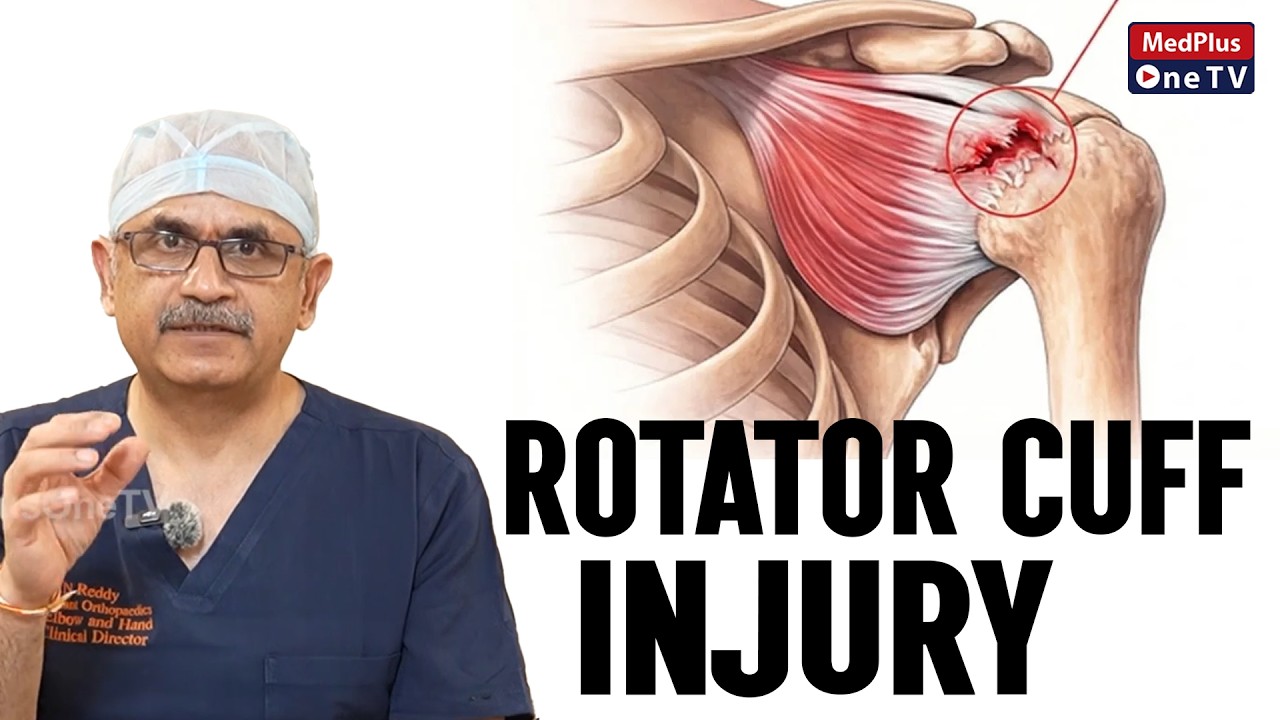
Understanding Rotator Cuff Injuries

Tennis Elbow Pain - Causes & Treatment
Shoulder Instability Explained
Why Choose Dr. Deepthi Nandan Reddy?
International fellowship training combined with decades of experience delivering world-class upper limb care
UK CCT
Certificate of Completion of Training - One of few Indian surgeons with NHS Consultant experience
FRCS (UK)
Fellow of Royal College of Surgeons, Edinburgh & UK
Mayo Clinic Fellow
British Shoulder & Elbow Society - Mayo Clinic Travelling Fellowship
SESI President
President, Shoulder & Elbow Society of India
30+ Years Experience
15,000+ patients treated, 5,000+ surgeries performed
Published Researcher
Co-author of Operative Elbow Surgery, international conference faculty
Dr. Reddy's Specialty Clinics
Comprehensive Upper Limb Care
Continue Learning