De Quervain's Tenosynovitis
Painful inflammation of the thumb tendons at the wrist. Also known as "Mommy Thumb" or "Gamer's Thumb". Complete guide to diagnosis and treatment.
Understanding De Quervain's Tenosynovitis
De Quervain's tenosynovitis (also called De Quervain's syndrome) is a painful condition affecting the tendons on the thumb side of the wrist. It occurs when the tendons and their covering (sheath) in the first dorsal compartment become inflamed and thickened.
Anatomy: The first dorsal compartment contains two tendons: the Abductor Pollicis Longus (APL) and Extensor Pollicis Brevis (EPB). These tendons control thumb extension and abduction. In approximately 30% of people, the EPB has a separate subcompartment, which is clinically important during surgery.
Epidemiology: The condition affects women 6-10 times more frequently than men, with peak incidence in the 30-50 age group. It's particularly common in new mothers (hence "mommy thumb") and individuals performing repetitive thumb movements.
Risk Factors & Causes
- • New mothers - repetitive baby lifting
- • Pregnancy/postpartum - hormonal changes, fluid retention
- • Female gender - 6-10x more common
- • Age 30-50 years
- • Rheumatoid arthritis
- • Direct trauma to radial wrist
- • Repetitive gripping with thumb extended
- • Gaming - especially mobile gaming
- • Texting - smartphone use
- • Racquet sports - tennis, badminton
- • Golf - grip pressure
- • Wringing activities - cleaning, laundry
Signs & Symptoms
• Pain: Sharp pain on the thumb side of the wrist, especially with thumb movement
• Swelling: Visible or palpable swelling over the radial styloid
• Tenderness: Point tenderness over the first dorsal compartment
• Crepitus: Grinding sensation with thumb movement
• Difficulty gripping: Pain with pinch and grip activities
• Radiation: Pain may radiate to the thumb or up the forearm
Clinical Pearl: Pain is characteristically worsened by ulnar deviation of the wrist and thumb movement. Activities like opening jars, turning keys, or lifting babies are particularly painful.
Diagnosis
Clinical Examination:
- Finkelstein's Test (Pathognomonic): Patient makes a fist with thumb inside, examiner deviates wrist ulnarly. Sharp pain at the radial wrist is positive. Sensitivity 81%, specificity 50%.
- Eichhoff's Modification: Similar to Finkelstein's but patient actively ulnar deviates (often incorrectly called Finkelstein's)
- Tenderness: Point tenderness 1-2cm proximal to radial styloid
- Swelling: Visible fullness over first dorsal compartment
Imaging: Usually not required. X-rays rule out arthritis or fracture if history suggests. Ultrasound can show thickened retinaculum and tendon sheath fluid. MRI is rarely needed.
Differential Diagnosis: Intersection syndrome, radiocarpal arthritis, scaphoid fracture, thumb CMC arthritis, Wartenberg's syndrome (radial sensory nerve compression).
Treatment Options
Thumb Spica Splint:
- Immobilizes thumb and wrist
- Worn for 4-6 weeks
- May be sufficient in mild cases
Activity Modification:
- Avoid repetitive thumb movements
- Ergonomic adjustments
- Baby lifting technique modification
NSAIDs:
- Short-term pain relief
- Limited evidence for long-term benefit
Corticosteroid Injection:
- Highly effective - 80% success rate
- Injected into first dorsal compartment
- May be repeated once if partial relief
- Risk of skin depigmentation (especially in darker skin)
Indications:
- Failed conservative treatment (1-2 injections)
- Symptoms persisting beyond 6 months
- Severe or recurrent disease
Surgical Technique:
Small transverse or longitudinal incision over first dorsal compartment. The retinaculum is released. Critical: Must identify and release separate EPB subcompartment if present (30% of patients) - failure to do so is the most common cause of failed surgery.
Protect: Superficial radial nerve branches run in the area - injury causes painful neuroma.
Outcomes: >90% success rate with surgery. Complications include superficial radial nerve injury (1-2%), tendon subluxation, and incomplete release.
Recovery Timeline
Evidence & References
- • Ilyas AM, et al. De Quervain tenosynovitis of the wrist. J Am Acad Orthop Surg. 2007
- • Richie CA, Briner WW. Corticosteroid injection for treatment of de Quervain's tenosynovitis: a pooled quantitative analysis. J Am Board Fam Pract. 2003
- • Huisstede BM, et al. Effectiveness of conservative, surgical, and postsurgical interventions for trigger finger, De Quervain syndrome, and carpal tunnel syndrome. Arch Phys Med Rehabil. 2018
- • Lee HJ, et al. Sonographically guided tendon sheath injections are more accurate than blind injections: implications for De Quervain disease. J Clin Ultrasound. 2011
Last Updated: January 2025 | Content reviewed by Dr. Deepthi Nandan Reddy, FRCS (Ortho)
Frequently Asked Questions
YOUR TREATING SURGEON
Dr. Deepthi Nandan Reddy
Senior Consultant Orthopaedic & Upper-Limb Surgeon | Apollo Hospitals
Learn From Dr. Reddy
Watch expert explanations of conditions and treatment options
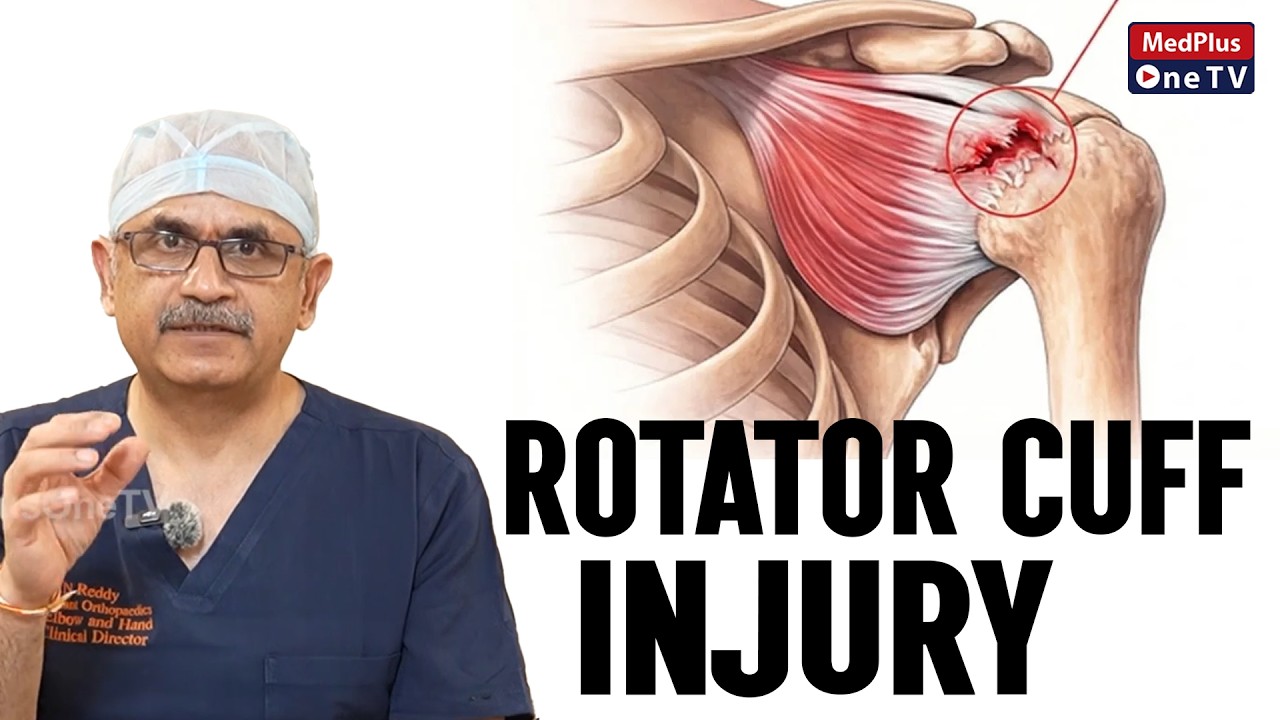
Understanding Rotator Cuff Injuries

Tennis Elbow Pain - Causes & Treatment
Shoulder Instability Explained
Why Choose Dr. Deepthi Nandan Reddy?
International fellowship training combined with decades of experience delivering world-class upper limb care
UK CCT
Certificate of Completion of Training - One of few Indian surgeons with NHS Consultant experience
FRCS (UK)
Fellow of Royal College of Surgeons, Edinburgh & UK
Mayo Clinic Fellow
British Shoulder & Elbow Society - Mayo Clinic Travelling Fellowship
SESI President
President, Shoulder & Elbow Society of India
30+ Years Experience
15,000+ patients treated, 5,000+ surgeries performed
Published Researcher
Co-author of Operative Elbow Surgery, international conference faculty
Dr. Reddy's Specialty Clinics
Comprehensive Upper Limb Care
Continue Learning