Carpal Tunnel Syndrome: Complete Guide
The most common compression neuropathy affecting the median nerve at the wrist. Expert information on diagnosis, treatment, and recovery.
Understanding Carpal Tunnel Syndrome
Carpal tunnel syndrome (CTS) is the most common entrapment neuropathy, caused by compression of the median nerve as it passes through the carpal tunnel at the wrist. The carpal tunnel is a narrow passageway formed by wrist bones and the transverse carpal ligament, containing nine flexor tendons and the median nerve.
Epidemiology: CTS affects approximately 3-6% of the general population, with peak incidence in the 40-60 age group. Women are affected 3 times more frequently than men. Bilateral involvement occurs in up to 50% of cases.
When pressure increases within this tunnel, the median nerve becomes compressed, leading to the characteristic symptoms of numbness, tingling, and weakness in the hand. Understanding this condition is crucial for timely intervention and preventing permanent nerve damage.
Risk Factors & Causes
- • Diabetes mellitus - increases nerve sensitivity
- • Pregnancy - fluid retention increases tunnel pressure
- • Hypothyroidism - tissue swelling compresses nerve
- • Rheumatoid arthritis - synovial inflammation
- • Obesity - BMI >30 doubles risk
- • Renal failure - fluid balance changes
- • Repetitive wrist movements - typing, assembly work
- • Vibratory tools - increases carpal tunnel pressure
- • Forceful gripping - manual laborers
- • Prolonged wrist flexion/extension
- • Wrist fractures - altered anatomy
- • Space-occupying lesions - ganglions, tumors
Signs & Symptoms
• Nocturnal symptoms: Numbness and tingling that wakes patients from sleep (pathognomonic)
• Distribution: Affects thumb, index, middle, and radial half of ring finger
• Flick sign: Patients shake their hand to relieve symptoms
• Weakness: Late finding - thenar muscle weakness, difficulty with pinch grip
• Thenar atrophy: Wasting of thumb muscles (severe, advanced cases)
• Clumsiness: Dropping objects, difficulty with fine motor tasks
Clinical Pearl: Patients often describe symptoms in the entire hand or all fingers. Careful questioning usually reveals the classic median nerve distribution. Thenar weakness indicates advanced disease and suggests need for surgical intervention.
Diagnosis
Clinical Examination:
- Phalen's test: Wrist flexion for 60 seconds reproduces symptoms (sensitivity 68%)
- Tinel's sign: Tapping over carpal tunnel causes tingling (sensitivity 50%)
- Durkan's compression test: Direct pressure over carpal tunnel for 30 seconds (most sensitive)
- Thenar strength testing: Assess abductor pollicis brevis function
- Two-point discrimination: >6mm indicates sensory loss
Electrodiagnostic Studies (EMG/NCS): Gold standard for confirming diagnosis and assessing severity. Nerve conduction studies show prolonged distal motor and sensory latencies. EMG reveals denervation in severe cases. These studies also help rule out other conditions like cervical radiculopathy or peripheral neuropathy.
Imaging: Ultrasound can show nerve swelling and increased cross-sectional area. MRI is rarely needed but can identify space-occupying lesions. X-rays may be useful if fracture or arthritis is suspected.
Treatment Options
Night Splinting:
- Wrist in neutral position prevents nocturnal flexion
- Worn for 4-6 weeks minimum
- 70-80% improvement in mild cases
Corticosteroid Injection:
- Temporary relief (2-6 months typical)
- Best for pregnancy-related CTS or diagnostic uncertainty
- Maximum 3 injections recommended
- Poor long-term predictor of surgical success
Activity Modification:
- Ergonomic workstation assessment
- Frequent breaks during repetitive activities
- Avoid prolonged wrist flexion/extension
Indications for Surgery:
- Failed conservative treatment (3-6 months)
- Thenar weakness or atrophy
- Severe EMG findings
- Constant numbness
Surgical Techniques:
Open Carpal Tunnel Release: Traditional technique with direct visualization. 2-3cm palmar incision. Complete release of transverse carpal ligament.
Endoscopic Release: Single or two-portal technique. Smaller incisions, potentially faster recovery of grip strength. Similar long-term outcomes.
Success Rate: 90-95% of patients report significant improvement. Nighttime symptoms typically resolve immediately. Numbness may take months to fully recover in severe cases.
Recovery Expectations
Evidence & References
- • AAOS Clinical Practice Guidelines on Carpal Tunnel Syndrome (2016)
- • Padua L, et al. Carpal tunnel syndrome: clinical features, diagnosis, and management. Lancet Neurol. 2016
- • Shi Q, MacDermid JC. Is surgical intervention more effective than non-surgical treatment for carpal tunnel syndrome? A systematic review. J Orthop Surg Res. 2011
- • Scholten RJ, et al. Surgical treatment options for carpal tunnel syndrome. Cochrane Database Syst Rev. 2007
Last Updated: January 2025 | Content reviewed by Dr. Deepthi Nandan Reddy, FRCS (Ortho)
Frequently Asked Questions
YOUR TREATING SURGEON
Dr. Deepthi Nandan Reddy
Senior Consultant Orthopaedic & Upper-Limb Surgeon | Apollo Hospitals
Learn From Dr. Reddy
Watch expert explanations of conditions and treatment options
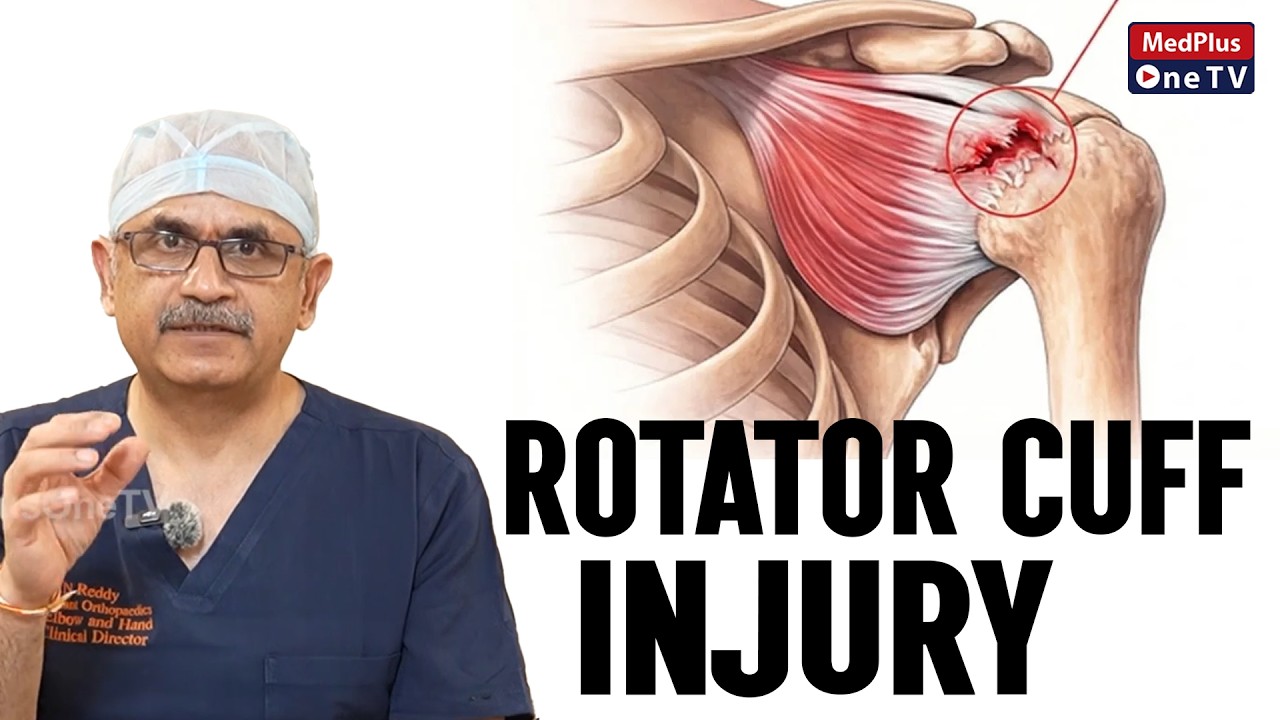
Understanding Rotator Cuff Injuries

Tennis Elbow Pain - Causes & Treatment
Shoulder Instability Explained
Why Choose Dr. Deepthi Nandan Reddy?
International fellowship training combined with decades of experience delivering world-class upper limb care
UK CCT
Certificate of Completion of Training - One of few Indian surgeons with NHS Consultant experience
FRCS (UK)
Fellow of Royal College of Surgeons, Edinburgh & UK
Mayo Clinic Fellow
British Shoulder & Elbow Society - Mayo Clinic Travelling Fellowship
SESI President
President, Shoulder & Elbow Society of India
30+ Years Experience
15,000+ patients treated, 5,000+ surgeries performed
Published Researcher
Co-author of Operative Elbow Surgery, international conference faculty
Dr. Reddy's Specialty Clinics
Comprehensive Upper Limb Care
Continue Learning